On average, Zepbound (tirzepatide) produces more weight loss than Wegovy (semaglutide). In the only head-to-head trial so far, adults on Zepbound lost 20.2% of body weight over 72 weeks, against 13.7% on Wegovy. Wegovy has its own strengths: a daily pill, heart-protection and liver indications, and a lower entry price. The better drug for you depends on your BMI, health conditions, tolerance and budget, and a clinician should make that call with you. At Bright Medical Wellness, our Tirzepatide Membership starts at $199 per month and our Semaglutide Membership at $108 per month, both with a clinical evaluation before any prescription.
TL;DR
- Zepbound targets two hormone pathways (GIP and GLP-1). Wegovy targets one (GLP-1). That difference is the likely reason for Zepbound’s larger average weight loss.
- In SURMOUNT-5, Zepbound averaged 20.2% weight loss and Wegovy 13.7% at 72 weeks. Individual results vary widely.
- Both are for adults with a BMI of 30 or higher, or 27 or higher with a weight-related condition. Neither is for people with a personal or family history of medullary thyroid cancer or MEN 2.
- Wegovy comes as a pill and carries heart and liver indications. Zepbound is injection-only and is also approved for obstructive sleep apnea.
- Cash prices, insurance and Medicare rules change often. Compare them at the manufacturers’ pages before you commit.
Table of Contents
- How Zepbound and Wegovy work
- What the head-to-head trial showed
- Who qualifies: BMI and health conditions
- Side effects and safety
- Forms, dosing and extra approvals
- Cost: cash prices and insurance
- How to choose between them
- Start with a clinician in Minnesota
- FAQ
- Sources
How Zepbound and Wegovy work
Both drugs copy gut hormones called incretins. These hormones tell your brain you are full, slow the emptying of your stomach and reduce how much you want to eat. Harvard Health describes how GLP-1 drugs act on receptors in the pancreas, gut and brain to raise insulin after meals and promote fullness.
The difference is in the number of hormones involved. Wegovy is a GLP-1 receptor agonist only. Zepbound is a dual GIP and GLP-1 receptor agonist. Dr. Louis Aronne, who led the head-to-head trial, attributes Zepbound’s edge to that dual action, which reduces hunger, lowers blood glucose and affects how fat cells handle energy.
In practice, you inject Zepbound once a week. Wegovy is also a weekly injection, and there is a daily Wegovy tablet. Both are prescribed alongside a reduced-calorie diet and more physical activity. Neither replaces them.
What the head-to-head trial showed
Most comparisons online line up two separate trials, which can mislead because the participants differ. SURMOUNT-5 is different: it enrolled 751 adults with obesity or overweight plus a weight-related condition, without diabetes, and compared the two drugs directly for 72 weeks. Results were published in the New England Journal of Medicine and announced by Eli Lilly on May 11, 2025.
| Result at 72 weeks | Zepbound (10 or 15 mg) | Wegovy (1.7 or 2.4 mg) |
|---|---|---|
| Average weight loss | 20.2% (50.3 lbs) | 13.7% (33.1 lbs) |
| Lost 15% or more | 64.6% of participants | 40.1% of participants |
| Lost 25% or more | 31.6% of participants | 16.1% of participants |
| Stopped due to side effects | 6.1% | 8.0% |
Two points help you read this table sensibly.
First, the results match what each drug showed on its own. Dr. Aronne noted the head-to-head numbers were almost identical to the earlier separate trials: 20.9% for tirzepatide and 14.9% for semaglutide. That consistency makes the gap more believable.

Second, averages hide individual differences. The trial was open-label, meaning participants knew which drug they received. Lilly also states the study was not powered to compare safety and tolerability, so the discontinuation figures should not be over-read. Some people lose a great deal on either drug, and some respond better to the one that is less effective on average.
For context, the FDA’s approval announcement for Zepbound reported that the 15 mg dose produced an average 18% reduction over 72 weeks in adults without diabetes who started at an average of 231 lbs. Harvard Health notes that 15% to 20% average loss approaches what weight-loss surgery achieves.
We cover the same comparison at the molecule level in our guides on tirzepatide vs. semaglutide and what the latest science says.
Who qualifies: BMI and health conditions
Body mass index (BMI) is your weight relative to your height. A clinician calculates it and looks at your health history alongside it.
The FDA approved Zepbound for chronic weight management in adults with obesity (BMI of 30 or higher) or overweight (BMI of 27 or higher) with at least one weight-related condition, such as high blood pressure, type 2 diabetes or high cholesterol. It is used with diet and activity changes. Wegovy’s label covers long-term weight reduction in adults with obesity, and in adults with overweight plus at least one weight-related condition. Our page on Wegovy BMI requirements walks through the 30 and 27 thresholds in more detail.
Who should not use either drug
Both labels contraindicate use in people with a personal or family history of medullary thyroid cancer or Multiple Endocrine Neoplasia syndrome type 2. Zepbound has not been studied in people with a history of pancreatitis or severe stomach and gut disease, including severe gastroparesis. Pregnancy is also an exclusion for our programs. Tell your clinician about all of these before starting.
Mounjaro and tirzepatide eligibility
Mounjaro contains the same drug as Zepbound, tirzepatide. The FDA states Zepbound should not be used with Mounjaro or any GLP-1 receptor agonist, so you take one tirzepatide product, never two. Which brand fits your situation, and whether you have type 2 diabetes, is a decision for your prescriber.
Medicare eligibility
For Medicare, medicare.gov lists separate criteria starting July 1, 2026: age 18 or older with a BMI of 35 or higher; or a BMI of 30 or higher plus certain conditions (diastolic heart failure, uncontrolled hypertension or stage 3a or later chronic kidney disease); or a BMI of 27 or higher plus prediabetes, a prior heart attack or stroke, or symptomatic peripheral artery disease. People with type 2 diabetes, moderate-to-severe sleep apnea or fatty liver disease are not eligible under this program, though their Part D plan may still cover a GLP-1.

Side effects and safety
The two drugs have similar side-effect profiles. In SURMOUNT-5, adverse events were mostly gastrointestinal and generally mild to moderate, and Weill Cornell’s summary notes roughly 44% in each arm had nausea. The FDA’s list for Zepbound includes nausea, diarrhea, vomiting, constipation, abdominal discomfort, injection-site reactions, fatigue, burping, hair loss and reflux.
Kettering Health’s clinicians say these symptoms are usually mild and most noticeable when the dose goes up. That is why dose steps matter, and why a care team you can reach quickly is useful.
What to watch for, and when to call a clinician:
- Dehydration. The Zepbound label reports postmarketing cases of acute kidney injury, mostly in people dehydrated by vomiting, diarrhea or poor intake. Keep drinking fluids and call your prescriber if you cannot.
- Severe stomach symptoms. Severe gastrointestinal reactions were reported more often on Zepbound than placebo (3.1% at 15 mg versus 1%), and the Wegovy label added a similar warning in 2025.
- Gallbladder, pancreas and blood sugar. The FDA lists warnings for pancreatitis, gallbladder problems and low blood sugar.
- Mood. The FDA tells clinicians to monitor for depression or suicidal thoughts on Zepbound.
Our guides on tirzepatide side effects and managing semaglutide side effects cover practical steps. Seek emergency care for severe, persistent abdominal pain or signs of an allergic reaction.
Forms, dosing and extra approvals
| Zepbound | Wegovy | |
|---|---|---|
| Active drug | Tirzepatide | Semaglutide |
| Hormone targets | GIP and GLP-1 | GLP-1 |
| Forms | Weekly pen, KwikPen or vial | Weekly pen and daily tablet |
| Start dose | 2.5 mg weekly for 4 weeks | 0.25 mg weekly (injection), 1.5 mg daily (tablet) |
| Maintenance doses | 5, 10 or 15 mg weekly (weight); 10 or 15 mg (sleep apnea) | Up to 2.4 mg weekly or 25 mg daily |
| Other approvals | Moderate-to-severe obstructive sleep apnea in adults with obesity | Reducing major cardiovascular events; noncirrhotic MASH with F2 to F3 fibrosis |
The dose details come from the FDA labels for Zepbound and Wegovy. The 2.5 mg Zepbound starting dose is not a maintenance dose. It lets your body adjust. Our pages on the tirzepatide dosing schedule and the maintenance dose explain how people reach their steady dose.
The extra approvals can settle the choice by themselves. If you have moderate-to-severe sleep apnea and obesity, Zepbound’s approval for it is relevant, and we summarize the evidence in our Zepbound sleep apnea guide. If you have established heart disease with obesity or overweight, Wegovy’s cardiovascular indication matters. If you strongly prefer not to inject, the Wegovy tablet is the option.
Cost: cash prices and insurance
Prices move with manufacturer programs, so read the figures below as published in 2026 and confirm them on the official pages.
| Option | Published price |
|---|---|
| Zepbound KwikPen, self-pay, LillyDirect | 2.5 mg from $299 per month; higher doses from $449 per month if refilled within 45 days (standard $499 or $699) |
| Zepbound with commercial insurance and savings card | Single-dose pen as low as $25 per month |
| Wegovy pill, self-pay | From $149 per month (1.5 mg); $199 (4 mg); $299 (9 mg and 25 mg) |
| Wegovy pen, self-pay | $199 per month for the first two months at 0.25 or 0.5 mg, then $349; 7.2 mg pen $399 |
| Wegovy with commercial insurance | As little as $25 per month |
| Medicare GLP-1 coverage | $50 copayment for a one-month supply, for eligible people, from July 1, 2026 |
Two cautions apply. Medicare covers Zepbound only as the KwikPen, not single-dose pens or vials. And insurance savings cards generally depend on your plan covering the drug, so ask your insurer before you plan around them.
For out-of-pocket patients, the brand-name price is only part of the cost. Lab work, follow-up visits and dose adjustments add up. Bright Medical Wellness publishes its prices: the Tirzepatide Membership is from $199 per month, the Semaglutide Membership is from $108 per month, and annual lab panels run from $190 to $600 depending on frequency and whether hormone testing is included. You can see them on our pricing page.
How to choose between them
Use these questions with your clinician:
- How much weight do you need to lose? If your goal is large, the average gap favors tirzepatide.
- Do you have sleep apnea? Zepbound is approved for moderate-to-severe obstructive sleep apnea in adults with obesity.
- Do you have heart disease or fatty liver disease? Wegovy carries indications for both.
- Do you want a pill? Only Wegovy has one.
- How sensitive is your stomach? Dose escalation speed affects tolerability. Wegovy’s slower escalation may improve tolerability, while Zepbound’s higher dosing can yield greater average weight loss.
- What can you pay each month, long term? These are chronic-use medicines, so plan for the whole course, including maintenance.
If you do not have a specific reason to prefer Wegovy, tirzepatide is the stronger starting point on the evidence. If you do, semaglutide is a well-studied choice, and either way the plan should be built around you rather than the brand name.
What we think at Bright
We start with a clinical evaluation before any prescription, because the right drug depends on your history, not on a trend. Labs, medications, family history and goals all shape the decision.
On the evidence, tirzepatide gives most adults who qualify the best chance at substantial weight loss, which is why our Tirzepatide Membership is where many conversations land. Semaglutide remains a strong option, and we offer it as well, so the choice is made on fit.
A GLP-1 works best when someone is watching the whole picture. That means direct access to your care team for side effects, a treatment plan tailored to you, accountability such as 3D body scanning, and a structured maintenance and exit strategy so results hold. Pricing is transparent, so you know the monthly cost before you start.
Bright
Start with a clinician in Minnesota
If you live in Minnesota and want a medically supervised GLP-1 program, we offer care in person at our Edina clinic and by telehealth anywhere in the state. Our Tirzepatide Membership starts at $199 per month and our Semaglutide Membership at $108 per month. You can review the details on our pricing page or see the tirzepatide program in Edina.
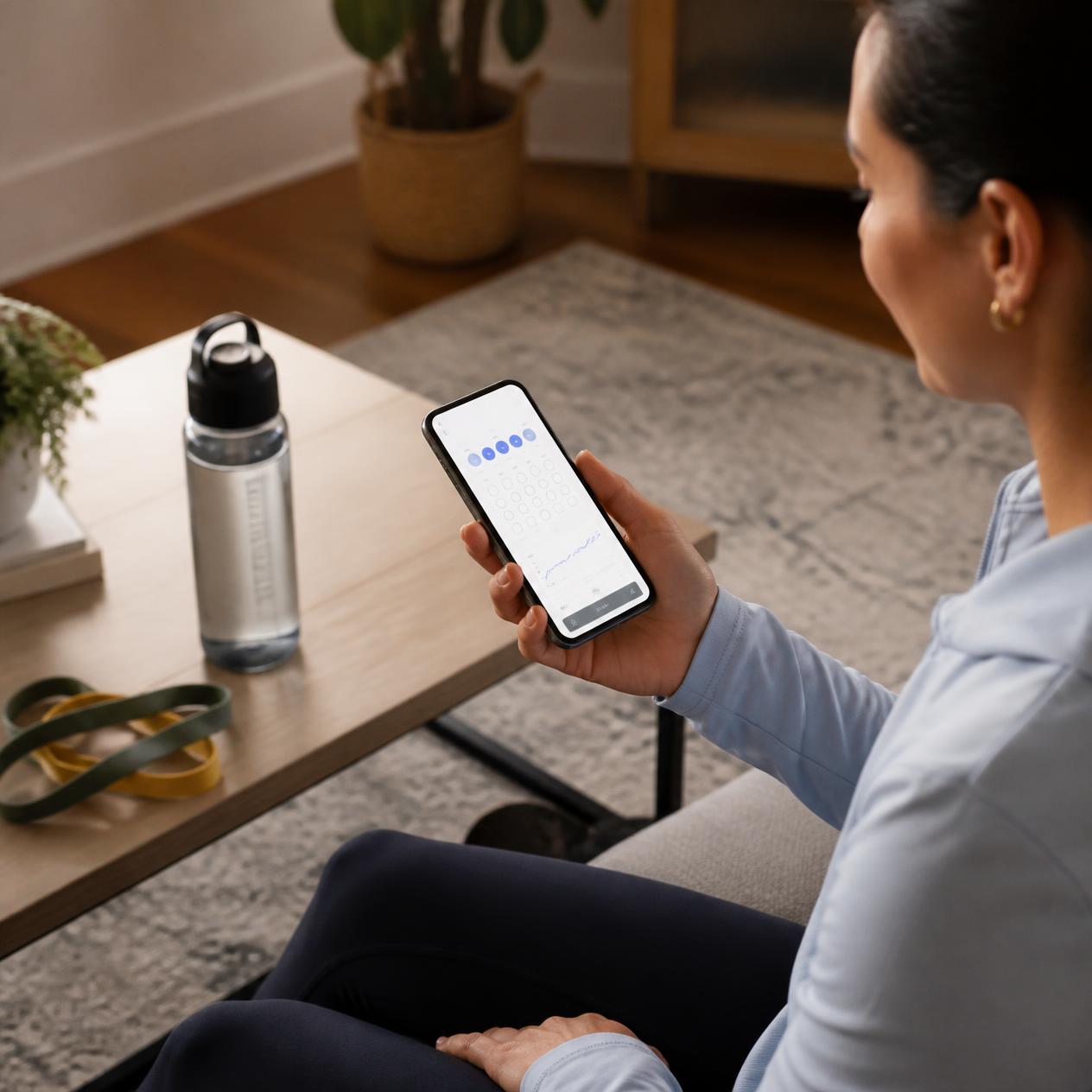
To begin, complete our online GLP-1 intake. A clinician reviews your history before anything is prescribed. Baseline bloodwork is part of judging readiness, and our guide to GLP-1 baseline labs explains the six tests clinicians commonly use.
FAQ
Is Zepbound better than Wegovy?
For average weight loss, yes. In the SURMOUNT-5 trial, Zepbound users lost 20.2% of body weight against 13.7% for Wegovy over 72 weeks. Wegovy has heart and liver indications and a tablet form, so the better drug is the one that fits your health profile.
What BMI do I need for Zepbound?
The FDA approval covers adults with a BMI of 30 or higher, or 27 or higher with at least one weight-related condition such as high blood pressure, type 2 diabetes or high cholesterol. Your clinician also reviews your health history for safety.
Which costs less, Zepbound or Wegovy?
Based on the manufacturers’ 2026 self-pay pages, Wegovy pills start at $149 per month and the pen at $349 per month after an introductory offer, while Zepbound KwikPens start at $299 per month for the lowest dose and $449 or more for higher doses. Insurance and Medicare change the picture, so check your own coverage.
Can I take Zepbound and Mounjaro, or Wegovy together?
No. Both Zepbound and Mounjaro contain tirzepatide, and the FDA says Zepbound should not be combined with Mounjaro or any GLP-1 receptor agonist. The Wegovy label likewise advises against using it with other semaglutide products or GLP-1 drugs.
Can I get these through telehealth in Minnesota?
Yes, with Bright Medical Wellness. We see Minnesota residents at our Edina clinic or by telehealth, and a clinician evaluates you before any prescription.
Sources
- Eli Lilly: Zepbound showed superior weight loss over Wegovy (SURMOUNT-5)
- Weill Cornell Medicine: Head-to-head trial compares weight loss drugs
- Harvard Health: A guide to weight-loss medications
- Drugs.com: Zepbound vs Wegovy
- FDA: Approves new medication for chronic weight management
- FDA Wegovy label, revised June 2026
- FDA Wegovy label, 2025
- FDA Zepbound label, 2026
- FDA Zepbound label, revised September 2025
- Medicare: Weight loss drugs
- Kettering Health: Approved weight loss medications
- FDB Health: Zepbound vs. Wegovy
- LillyDirect: Zepbound pricing
- Wegovy cost and coverage
Recommended
- Tirzepatide vs. Semaglutide: What the Latest Science Says About Weight Loss Results
- FDA 30 or 27 BMI: Do You Qualify for Wegovy in the U.S.?
- Tirzepatide vs Semaglutide: Which Works Better for You?
- GLP-1 vs Diet and Exercise: What Works Best?
This article was produced with Al assistance and reviewed for accuracy. It is provided for general information only and is not professional advice.

