Microdosing semaglutide means taking smaller or less frequent doses than the prescribed schedule. It is not an FDA-approved dosing strategy, and no official guidelines exist for it. Some people report weight loss on low doses, but the large results seen in trials come at the labeled doses. If you are thinking about a lower dose because of side effects or cost, the safest route is to decide it with a clinician who can adjust your plan and watch how you respond.
This guide explains what the term covers, what the research shows, the risks, and how to time your weekly shot.
TL;DR
- Microdosing is not an FDA-approved strategy, and there are no standard guidelines for it.
- At very low doses, weight loss tends to be modest, around 5% to 6%. The 15% to 20% losses occur at higher doses.
- Compounded products add a measuring risk: the FDA has received reports of dosing errors, some needing hospitalization.
- Semaglutide is taken once a week, on the same day, at any time of day, with or without food.
- If side effects are the concern, a slower, clinician-guided titration is the better tool than guessing at a dose.
Table of Contents
- What microdosing semaglutide means
- What the approved schedule looks like
- Why people microdose
- Will microdosing semaglutide help you lose weight?
- What professional bodies say
- Risks and side effects at lower or slower doses
- When to take semaglutide: timing that matters
- How long one shot lasts and what to do if you miss a dose
- How to talk to a clinician about a lower dose
- Semaglutide care with Bright Medical Wellness
- FAQ
- Sources
What microdosing semaglutide means
There is no single definition. Researchers describe it as taking smaller or less frequent doses than prescribed. In practice, people use the word for a few different habits:
- Starting below the labeled starting dose and staying there.
- Raising the dose in smaller steps than the standard schedule.
- Taking a fraction of the labeled dose long term, sometimes by splitting a weekly dose across several days.
- Stretching the interval between injections.
These are very different choices with different risks. When you read a claim about “microdosing,” ask which of these it means.
What the approved schedule looks like
The schedule on the label gives the baseline that microdosing is measured against. For Ozempic, the FDA label (revised January 2025) sets the following:
| Step | Dose (once weekly) | Duration |
|---|---|---|
| Initiation | 0.25 mg | 4 weeks |
| First maintenance step | 0.5 mg | At least 4 weeks |
| If more glycemic control is needed | 1 mg, then 2 mg | Maximum 2 mg weekly |
The starting dose is there to help your body adjust, not to treat. Weight management programs using Wegovy or compounded semaglutide follow a similar stepped approach toward a maintenance dose. For a closer look at how that climb works, read our semaglutide dosing schedule guide. You can also convert milligrams to syringe units with our GLP-1 dose calculator.
Why people microdose
The reasons are practical:
- Fewer side effects. Nausea and other stomach effects are the most common reason people slow down.
- Cost. A smaller dose can seem to stretch a vial or a pen.
- Caution. Some people want to see how they react before going up.
- Maintenance. Others want to hold a result with the least medication.
These are reasonable concerns. The question is whether dropping below the schedule is the right answer to them. In most cases, a clinician can address them in safer ways, such as holding a dose longer before stepping up, which keeps you on a consistent, measured plan.
Will microdosing semaglutide help you lose weight?
Some people report losing weight on low doses. The evidence behind it is thin, though. Cedars-Sinai (May 2026) notes that evidence for microdosing as a long-term weight-management strategy is limited. It also says that at very low doses, weight loss tends to be around 5% to 6%, while the dramatic 15% to 20% losses occur at higher doses.
Two reference points help put numbers on that.
The pivotal trial at the labeled dose. In the STEP 1 trial, adults taking 2.4 mg of semaglutide weekly alongside lifestyle changes lost a mean of 14.9% of body weight at week 68, compared with 2.4% on placebo. 86.4% of participants lost at least 5%. Weight loss showed up from the first assessment at week 4 and reached its lowest point at week 60.
A low-dose phase 2 trial. According to Medscape, a phase 2 trial of 957 participants found that the lowest semaglutide dose, 0.05 mg a day (about 0.35 mg a week), produced 6.3% to 6.8% weight loss over one year, against 2.3% on placebo. About 1 in 5 adults lost at least 10%.

So a low dose is not nothing. It is also not the same as the labeled maintenance dose. If your goal is a larger result, a stepped plan that reaches an effective dose is how the trial results were produced.
Medscape also carries a balanced view from endocrinologist Dr. Beverly Tchang, who writes that microdosing is not FDA-approved and has unknown risks and benefits, and that the evidence for it should be developed. That is a fair summary of where the science stands today.
What professional bodies say
The major medical groups have not endorsed the practice:
- The American Association of Clinical Endocrinology said in October 2025 that it does not support routine microdosing of GLP-1 medications in clinical care and recommends following FDA-approved dosing.
- Cleveland Clinic (July 2026) states that the American Diabetes Association does not endorse microdosing, and that there are no official or standard guidelines for it.
The practical message: if you change your dose, do it with your prescriber, not on your own.

Risks and side effects at lower or slower doses
The drug can come and go
Cleveland Clinic’s Dr. Butsch explains that with a reduced dose, the drug may leave your system faster than intended. When you take it again, the side effect can return, because there has not been a steady amount of medication in your body. Skipping weeks or stretching intervals can make nausea worse rather than better.
Measuring errors with compounded products
Microdosing often means drawing a tiny amount from a vial. That is where mistakes happen. The FDA has alerted providers and patients to dosing errors with compounded injectable semaglutide, with reports of adverse events, some requiring hospitalization. Cleveland Clinic also lists accidental overdosing when measuring compounded GLP-1s as a risk.
As of May 31, 2026, the FDA had received 990 reports of adverse events linked to compounded semaglutide and more than 730 linked to compounded tirzepatide.
The FDA also determined that the semaglutide shortage was resolved as of February 21, 2025, and that enforcement discretion for compounding ended April 22, 2025. Where a compounded product is used, it should be prescribed after a clinical evaluation and dosed with clear instructions. Our page on compounded semaglutide safety explains why screening for medullary thyroid cancer history matters.

Risks that do not depend on dose size
These apply to semaglutide in general, and they are why medical oversight matters:
- Thyroid tumors. In rodents, semaglutide causes thyroid C-cell tumors. The Ozempic label lists a personal or family history of medullary thyroid carcinoma or MEN 2 as a contraindication.
- Pancreatitis. The FDA label (revised October 2025) notes acute pancreatitis, including fatal and non-fatal cases, in patients treated with GLP-1 receptor agonists. Severe, persistent abdominal pain, with or without vomiting, needs urgent medical attention.
- Gallbladder disease. In the Wegovy label trial data, cholelithiasis occurred in 1.6% of Wegovy patients versus 0.7% on placebo, and cholecystitis in 0.6% versus 0.2%.
Cedars-Sinai adds that using GLP-1s without medical oversight raises the risk of gallbladder disease, pancreatitis, thyroid conditions, retinopathy and nutrient deficiencies. If you have any of these conditions or a family history of thyroid cancer, talk with your doctor before starting or changing a dose. Pregnancy is also a reason not to use these medications. For a full list of what to watch for, see our guide to semaglutide side effects.
When to take semaglutide: timing that matters
The timing question is simpler than the dose question. Per the FDA label, Ozempic is taken once a week, on the same day each week, at any time of day, with or without meals.
That gives you a clear rule for the best time for a GLP-1 shot: the best time is the one you will repeat. Some tips that follow from it:
- Pick a day tied to a routine. A Sunday evening or a Thursday morning works if you will remember it.
- Use a phone reminder that repeats weekly.
- Rotate injection sites within the approved areas, as your care team instructs.
- If nausea hits after a shot, talk with your clinician about the timing of meals and the pace of your dose steps. Our guide on managing semaglutide side effects covers practical steps.
How long one shot lasts and what to do if you miss a dose
Subcutaneous semaglutide has a half-life of about 145 to 168 hours, or roughly one week, according to a systematic review of its pharmacokinetics. Healthline reports that after 7 days, the amount of Ozempic or Wegovy in your system falls by half, and it can take about 5 weeks to leave circulation fully. That long tail is why one shot covers a week, and why the effect fades gradually rather than abruptly.
For missed doses, the rules differ by product:
- Ozempic: take the missed dose as soon as possible within 5 days. If more than 5 days have passed, skip it and take the next one on your regular day, per the FDA label.
- Wegovy: if the next scheduled dose is more than 2 days (48 hours) away, take the missed one as soon as possible. If it is less than 2 days away, skip it and resume your schedule, per Novo Nordisk’s dosing guidance.
Do not double up. If you miss more than one dose, ask your prescriber how to restart, since you may need to step back down.
Our perspective
We hear the microdosing question often, and we understand it. People want fewer side effects, a lower cost and a gentler start. Those are the right instincts. We think the answer is a plan built around you, not a smaller number picked alone.
Our approach starts with a clinical evaluation before any prescription. Your dose is matched to your history, your labs and how you respond. If nausea is a problem, your care team can hold you at a step longer, adjust the pace and coach you on meals, rather than leaving you to guess.
We also think the results people want come from steady medication levels, reached step by step and backed by accountability, such as 3D body scanning, and a clear maintenance and exit strategy. A GLP-1 program works best when it is supervised, consistent and fitted to the person.
Bright
How to talk to a clinician about a lower dose
If you are considering a lower dose, bring specifics to the visit. A short checklist:
- Name the problem. Is it nausea, cost, fear of side effects, or a plateau? The fix differs for each.
- Share your history. Thyroid cancer in the family, pancreatitis, gallbladder problems, pregnancy plans and other medications all change the plan. If you take metformin, see our note on semaglutide and metformin.
- Ask about slower titration. Holding a labeled dose longer is a different thing from staying below the label, and your prescriber can explain which fits you.
- Know your product. Brand-name and compounded products are dosed in different ways. Make sure you are told the dose in both milligrams and units.
- Plan follow-up. Weight, appetite, side effects and labs should be reviewed on a set schedule. Our labs checklist for medical weight loss shows what is usually worth tracking.
Eating well supports every dose. Our semaglutide diet guide covers protein and fiber pacing that many people find helps with fullness and comfort.
Semaglutide care with Bright Medical Wellness
If you live in Minnesota, you can see us in Edina or Minneapolis, or join by telehealth anywhere in the state. Our Semaglutide Membership is listed from $108 per month, and the Tirzepatide Membership from $200 per month. Both include clinician-led care and direct access to the care team for side effect questions. Wellness panels are also available, such as Basic Labs once a year for $190 or Lab + Hormone once a year for $250.
You can review current options on our pricing page, or read about semaglutide weight loss in Edina.
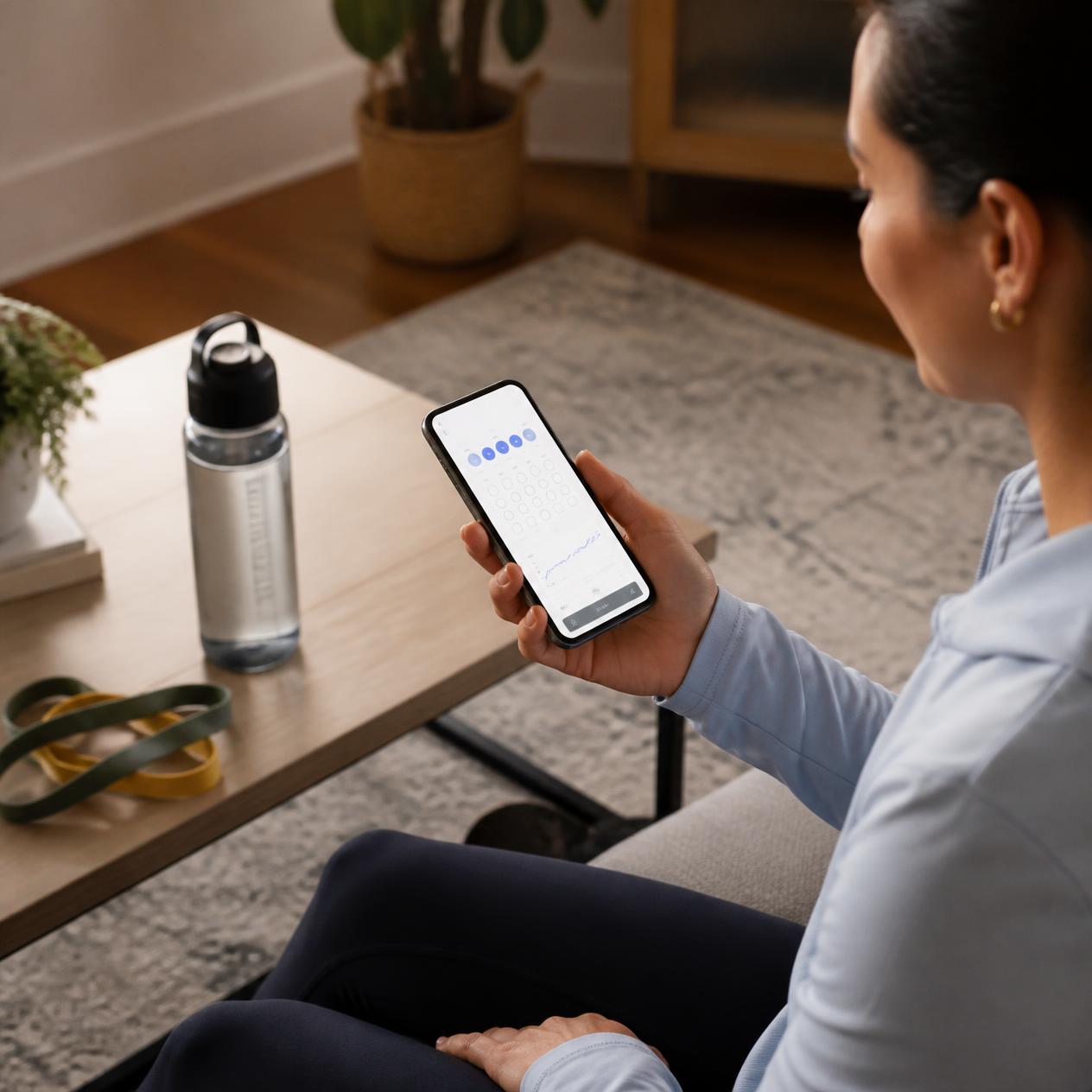
If you are ready to start, our online GLP-1 intake is the first step. A clinician reviews your history before any prescription is written.
FAQ
Is microdosing semaglutide safe?
It has not been proven safe or effective as a strategy. The FDA has not approved it, and groups like the American Association of Clinical Endocrinology and the American Diabetes Association do not endorse it. The added risk is mainly measuring errors with compounded vials. If you want a lower or slower dose, make the change with your prescriber.
When is the best time to take semaglutide?
The label says once weekly, on the same day each week, at any time of day, with or without food. Choose a day and time you can keep every week. Consistency matters more than the hour.
How long does one semaglutide shot last?
One injection works for about a week, because the half-life is roughly 145 to 168 hours. Levels fall by half after 7 days and take about 5 weeks to clear fully. That is why weekly dosing gives steady coverage.
What should I do if I miss a dose?
For Ozempic, take it within 5 days of the missed day. If more than 5 days have passed, skip it. For Wegovy, take it if the next dose is more than 2 days away. Never take two doses together to catch up.
Will a low dose help me lose weight?
It may help some people. Trial data at very low doses showed around 6% weight loss over a year, while the labeled 2.4 mg dose averaged 14.9% in STEP 1. A clinician can help you choose the dose that fits your goals and tolerance.
Sources
- What Is GLP-1 Microdosing? University of Rochester Medical Center
- Ozempic FDA label, revised January 2025
- Ozempic FDA label, revised October 2025
- Wegovy FDA label, revised November 2024
- AACE: GLP-1RA Microdosing Trend Continues Despite Anecdotal Evidence
- Cedars-Sinai: Microdosing Semaglutide
- Cleveland Clinic: Can You Microdose Ozempic and Other GLP-1s?
- NEJM: Once-Weekly Semaglutide in Adults with Overweight or Obesity (STEP 1)
- Medscape: Off-Label Dosing to Personalize GLP-1 Doses
- FDA: Dosing errors with compounded injectable semaglutide
- FDA: Concerns with Unapproved GLP-1 Drugs Used for Weight Loss
- FDA: Policies for compounders as national GLP-1 supply stabilizes
- Clinical Pharmacokinetics of Semaglutide: A Systematic Review
- Healthline: Missed GLP-1 Dose
- Novo Nordisk: Wegovy dosing and administration
Recommended
- What Is Semaglutide? Uses, Benefits, and Risks
- Clinician Backed Semaglutide and Metformin: Safe, No Dose Change
- Four Month Titration to 2.4 mg: US Clinician Backed Semaglutide Dosing
- Semaglutide Side Effects: How to Manage Them and Stay on Track
This article was produced with Al assistance and reviewed for accuracy. It is provided for general information only and is not professional advice.

